
Blog
Car Audio Trends 2026: AI and Sustainable Sound Systems

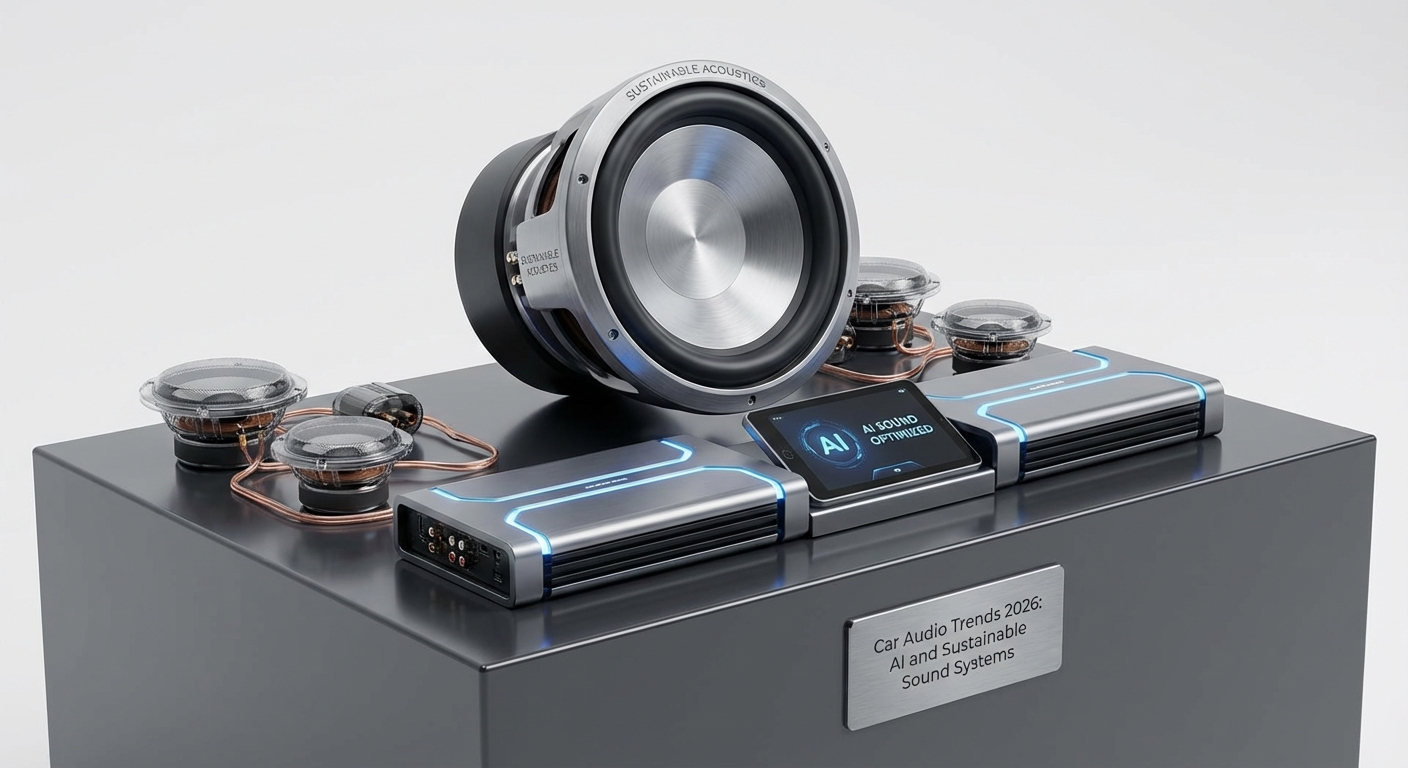
Here’s a blog post about recent car audio trends:
The Evolution of Car Audio: Latest Trends Shaping the Industry in 2026
The automotive audio landscape has undergone remarkable transformations, with several key developments emerging in the past year. From AI-powered sound optimization to sustainable manufacturing practices, let’s explore the most significant trends defining car audio in 2026.
AI-Driven Sound Personalization
Artificial intelligence has revolutionized how we experience in-car audio. Modern systems now feature adaptive sound algorithms that continuously analyze cabin acoustics, vehicle speed, and external noise to deliver optimal audio performance. These smart systems can:
- Automatically adjust frequency response based on passenger positions
- Compensate for road noise in real-time
- Create personalized audio profiles for different drivers
- Optimize sound staging through machine learning
Sustainable Audio Solutions
Environmental consciousness has reached the car audio industry, with manufacturers embracing eco-friendly practices. Recycled materials are now commonly used in speaker components, while energy-efficient amplifiers reduce power consumption without compromising sound quality. Leading brands have introduced:
- Speaker cones made from recycled carbon fiber
- Bio-based polymers for speaker surrounds
- Energy-efficient Class D amplifiers
- Sustainable packaging solutions
Wireless Integration and Connectivity
The latest car audio systems embrace wireless technology like never before. High-resolution wireless audio streaming has become standard, with manufacturers implementing advanced protocols for minimal latency and maximum sound quality. Key features include:
- Lossless wireless audio transmission
- Multi-zone audio control via smartphone apps
- Over-the-air system updates and calibration
- Seamless integration with voice assistants
Immersive Audio Experiences
Spatial audio technology has evolved significantly, creating more immersive listening experiences. Modern systems now offer:
- 3D soundstage optimization
- Individual sound zones for passengers
- Dynamic bass management
- Virtual surround sound processing
Conclusion
As we progress through 2026, the car audio industry continues to innovate at an impressive pace. The integration of AI, sustainability initiatives, and advanced wireless technologies is reshaping how we experience music on the road. These developments not only enhance sound quality but also contribute to a more connected and environmentally conscious automotive future.